The Complete Preparation Guide for Safe and Confident Travel
Photo courtesy of Lindsay Webb
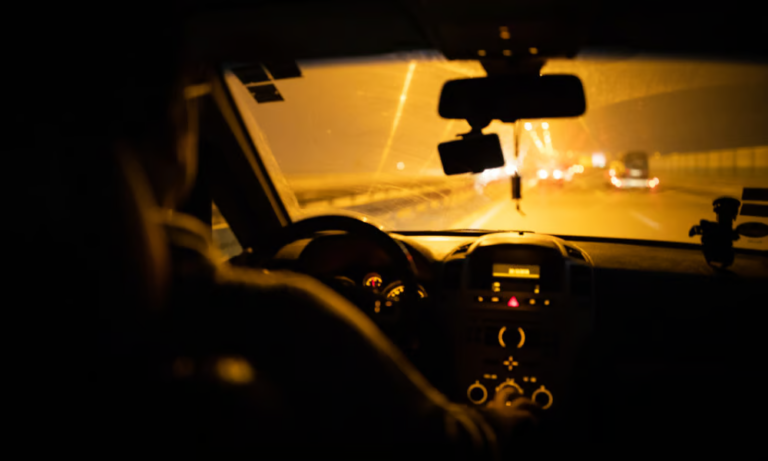
Picture this.
You are on a long holiday drive to visit family, miles from home, feeling confident in your prepper mindset. Your supplies are organized. Your emergency kits are packed. You feel ready for anything.
Then your engine starts smoking.
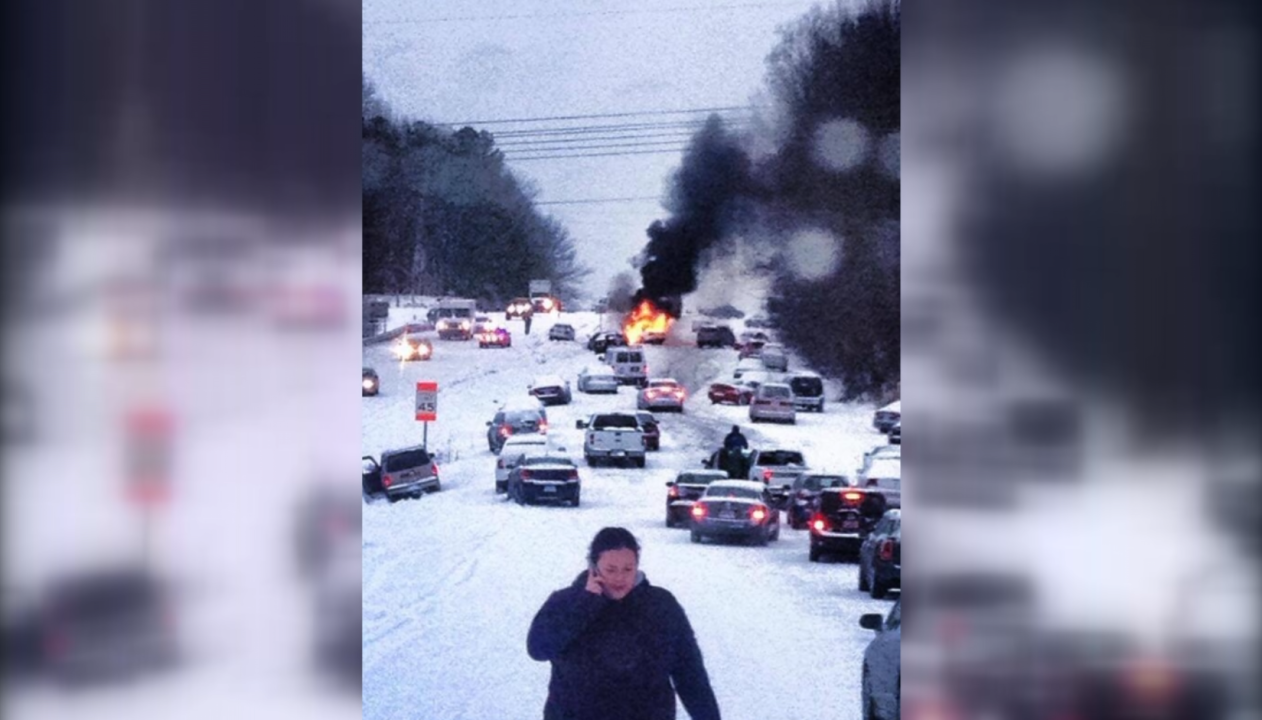
A small fire breaks out under the hood.
You rush to get your dogs out first. By the time help arrives, your vehicle is fully engulfed. Everything inside is gone. You are stranded on the roadside far from home.
That is exactly what happened to one well-prepared traveler recently. They were ready for storms, outages, and shortages. But a simple car fire caught them completely off guard. No extinguisher nearby meant there was no way to stop it early.
Insurance helped. Family came to assist. But the lesson was clear.
The emergency you do not expect is often the one that happens.
As seniors 55+, we’re no strangers to planning ahead for health or home emergencies. Many of us prepare carefully for problems at home. But what about on the road?
Winter travel is especially common when visiting family. Many older adults drive long distances to see grandchildren, attend holidays, or spend time with loved ones who live far away. But for adults over 55, winter driving brings additional risks that younger drivers often overlook.
Cold affects the body differently as we age. Fatigue sets in faster. Mobility challenges make delays harder to manage. Even minor breakdowns can quickly become serious when temperatures drop.
The good news is simple preparation dramatically reduces risk.
This guide walks you through everything you need to travel safely:
• How to prepare your vehicle
• How to prepare your body
• What to pack in a winter emergency kit
• Safe driving habits for icy roads
• What to do if you become stranded
By the end, you will have a complete system for safe and confident winter travel.
Let’s get started!
Why Winter Road Trips Are Riskier for Seniors
 (AP Photo/Mel Evans)
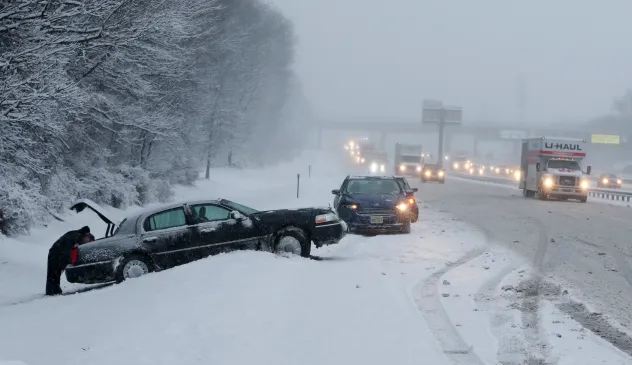 (AP Photo/Mel Evans)
Winter driving challenges everyone. But age adds extra factors that deserve attention.
Cold weather stiffens joints and aggravates arthritis. Grip strength decreases. Reaction time slows. Circulation issues increase the risk of hypothermia if stranded even briefly.
Vision also changes with age. Most people need significantly more light to see clearly at night after age 60. Snow glare and headlights linger longer. Depth perception may decline. Hazard detection becomes slower.
Fatigue is another major factor. Long driving stretches drain energy faster than they once did. Mental alertness declines sooner, especially in stressful conditions like snow or heavy traffic.
Then there is physical resilience. The body becomes more vulnerable to injury. Even minor accidents can lead to serious consequences.
None of this means you should stop traveling.
It simply means preparation matters more than ever.
Statistics underscore the concern. Fatal crash rates rise after age 70, with winter conditions worsening outcomes—black ice and low visibility contribute to many weather-related incidents. Seniors’ greater frailty means even minor accidents can lead to serious injury.
In short, winter roads demand more from our bodies and senses than they once did. But with targeted preparation, these risks are manageable—giving you confidence to enjoy those family visits safely. Next, let’s focus on getting your vehicle ready.
Essential Vehicle Preparation
Your vehicle is your primary shelter, transportation, and survival system on the road. Winter is not forgiving to poorly maintained cars.
Start with the fundamentals.
Tires, Battery, and Fluids
Winter tires or all-weather tires with good tread (at least 6/32 inch) provide far better traction on snow and ice. AAA recommends them for anyone driving in regular winter conditions. If chains are needed in your area, practice putting them on once in your driveway. Batteries lose power in cold weather; a weak one (over 3 years old) is likely to fail when you need it most,have it tested free at most auto parts stores. Check antifreeze levels (50/50 mix), windshield washer fluid (winter formula that won’t freeze), and engine oil. Thicker oil in extreme cold can strain older engines.
Visibility and lights are non-negotiable. Replace worn wiper blades and top off washer fluid. Clean headlights, taillights, and turn signals. Snow and salt buildup reduces visibility fast. Aim headlights properly; misaligned beams cut night vision dramatically. Aging eyes need maximum illumination.
Brakes, Heater and Defroster
They all deserve attention. Have brakes inspected, stopping distances double on snow. Have brakes inspected before winter travel. Make sure the heater and rear defroster work perfectly; a foggy windshield or frozen interior is dangerous. Check the exhaust system for leaks. Carbon monoxide buildup inside a vehicle can be deadly. Get it checked.
Many seniors prefer a professional winterization service (often $50-100 at a trusted shop). It’s worth it for peace of mind and catches issues you might miss. Schedule it early. Repair shops can get pretty busy before the first snow.
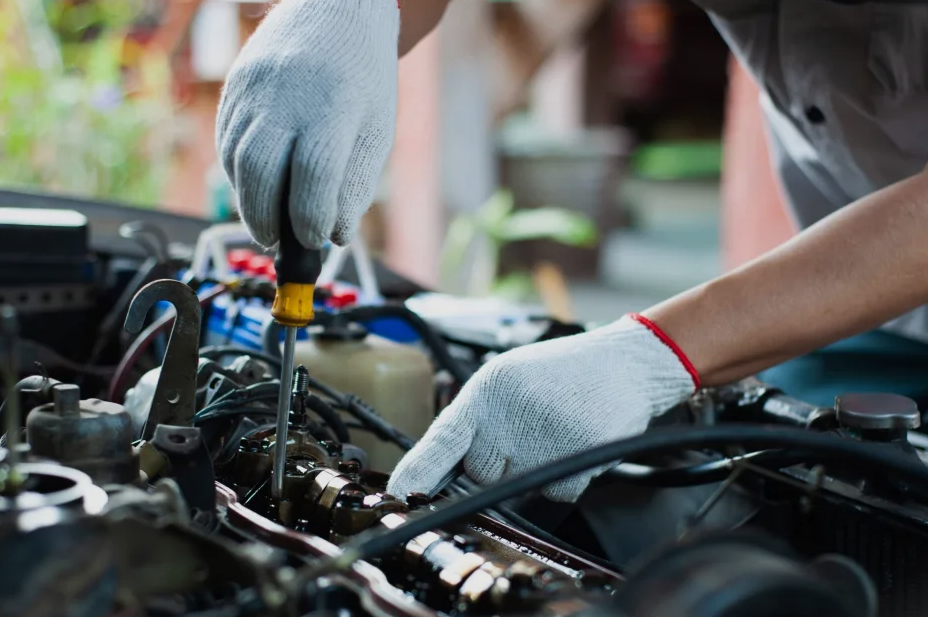
Quick checklist:
- Tires: Adequate tread, proper pressure (check monthly—cold drops PSI)
- Battery: Tested and terminals clean
- Fluids: Antifreeze, oil, washer, brake
- Lights & wipers: Clean and functional
- Brakes & belts: Inspected
- Emergency gear: Jumper cables, small shovel, ice scraper (more in the kit section)
- Fire Extinguisher – this is an affordable small one – FIRST ALERT AUTO5 Car Fire Extinguisher – FESA5, and an oven glove to open a hot car hood
Taking these steps now means fewer surprises later. A well-prepped vehicle doesn’t just get you there—it gets you home safely. Next, we’ll cover preparing yourself for the journey.
Personal Health & Comfort Prep for a Winter Road Trip
Staying comfortable and healthy on a winter road trip is just as important as vehicle prep—especially for seniors, when cold, fatigue, and mobility issues can turn a drive stressful.
Stay warm with smart layering. Dress in moisture-wicking base layers, insulating mid-layers (fleece or wool), and a waterproof outer shell. Pack extra socks, gloves, hats, and a warm coat. Keep a thick blanket or sleeping bag in the car, plus chemical hand and foot warmers they’re lightweight and activate quickly for instant heat if stranded.
Pack health essentials. Bring at least a 7-day supply of medications, plus a list of prescriptions and doctor contacts. Include easy snacks like nuts, granola bars, or glucose tabs to stabilize blood sugar. Cold weather can affect diabetes management. Stay hydrated with a reusable water bottle; dehydration hits faster in dry winter air.
Address mobility needs. If you use a cane or walker, choose portable, foldable models that fit easily in the car. Practice getting in/out of your vehicle smoothly.
Prevent fatigue. Plan frequent breaks every 1-2 hours stretch your legs, walk briefly, and reset mentally. Helps prevent deep vein thrombosis.
If possible, share driving with a companion. Avoid heavy meals before driving, and limit caffeine to prevent an energy crash later.
These small steps keep you energized, warm, and ready for whatever the road brings.
A Real Example of Preparedness Working
Margaret set out on a 4-hour drive to her daughter’s home for Thanksgiving. Halfway there, a sudden blizzard forced highways to close,she was stuck in her car for nearly 8 hours waiting for plows.
But Margaret stayed calm and comfortable. Her trunk held a small emergency kit she’d packed after reading about winter prep: bottled water, energy bars, a warm blanket, hand warmers, and even a portable phone charger. She sipped water, ate a snack to keep her blood sugar steady, and stayed warm under the blanket.
When help finally arrived, she was tired but perfectly fine. “I never thought I’d use that kit,” she later said, “but it turned a scary situation into just an inconvenience.”
Be prepared and stay safe !
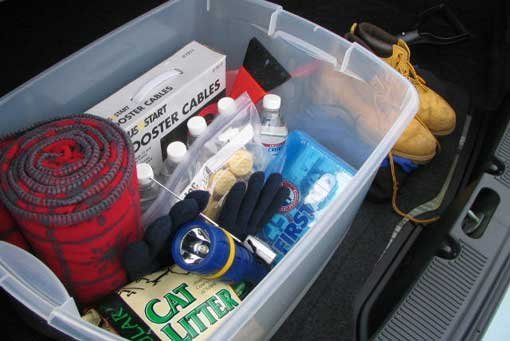
Building a Proper Winter Emergency Kit
A reliable winter emergency kit is your lifeline if you’re delayed or stranded
Especially for seniors 55+, when waiting in the cold can quickly become uncomfortable or dangerous. The goal is simple: stay warm, hydrated, fed, and connected until help arrives.
Aim for supplies lasting at least 72 hours.
Core items every kit needs:
- Warmth: Thick wool or fleece blanket (or emergency mylar ones), hand/foot warmers, extra gloves, hat, and socks. A warm coat or sleeping bag rated for low temps is ideal.
- Food & water: Bottled water (1 gallon per person per day) and non-perishable snacks like energy bars, nuts, or canned goods with pull-tops—no cooking required. Include electrolyte packets if you have health conditions.
- Light & power: LED flashlight with extra batteries, headlamp (hands-free is senior-friendly), and a portable phone charger/power bank (fully charged).
- Tools: Small shovel, ice scraper, traction aids (cat litter or sand), jumper cables, basic toolkit, and tire inflator.
- First aid & health: Comprehensive kit with bandages, pain relievers, antiseptic, plus your personal medications (at least 7-30 days). Include a med list and allergy info.
Senior-Specific Additions:
- Medical alert device or whistle.
- Easy-grip items (avoid small buttons if arthritis is an issue).
- Comfort items like a cushion for long waits or reading material to reduce stress.
Build affordably: Start with a sturdy plastic bin or duffel ($20-50) for trunk storage. Pre-made kits from AAA or Amazon run $50-$150 and cover basics. You can customize from there.
Safe Winter Driving Tips for Seniors
Safe winter driving starts with adjusting to conditions, especially for seniors , when reaction times and vision may not be what they once were. These practical tips keep you in control and reduce risks on icy or snowy roads. The first three you rarely see in tips, but they are very important especially in rural areas.
Do not attempt to bypass chain control requirements. Don’t try taking a detour onto local side roads.
Do not ignore “Road Closed” signs. They are posted for a very good reason. Bridge out , downed trees blocking the road etc.
If your GPS appears to be routing you incorrectly. Trust your instincts, because it most likely is. Having a paper map for backup is not a bad idea, especially in unfamiliar areas.
Slow down and decrease space. Speed limits are for ideal conditions. Cut your speed by at least a third in snow or ice. Stopping distances can triple on slick surfaces. Double (or triple) your normal following distance. Aim for 8-10 seconds behind the vehicle ahead instead of the usual 3-4. This gives extra time to react if they brake suddenly.
Handle skids and black ice calmly. Black ice looks like wet pavement but is invisible and treacherous. If you skid, ease off the gas, steer gently in the direction you want to go (don’t jerk the wheel), and avoid slamming brakes—modern cars with ABS will pulse for you. Practice in an empty lot if possible.
Manage poor visibility and night driving. Snow, fog, or darkness compound glare and reduced contrast. Use low beams in fog or heavy snow (high beams reflect back). Clean headlights frequently and dim dashboard lights to reduce eye strain. For more on night challenges, see our night driving tips for seniors.
Use helpful apps and tools. Check weather apps like AccuWeather or The Weather Channel before leaving. Look for alerts on ice or storms. Enable location services for real-time updates. Join AAA or similar roadside assistance; their app lets you request help with one tap, sharing your exact location, no need to describe where you are in the cold.
Drive defensively: Assume others aren’t as cautious. Pull over safely if conditions worsen. With these habits, winter roads become manageable, letting you reach family safely. Next, what to do if you’re stranded.
What to Do If You Become Stranded
During a winter emergency, the safest choice is almost always to stay in your vehicle. It provides critical shelter from biting wind, snow, and sub-zero temperatures, which is far better than exposing yourself to the elements. Plus, a car is much easier for rescuers to spot than a person wandering in a blizzard, reducing the risk of disorientation or dangerous exposure.
Why You Should Stay Put
- Shelter: Your car blocks wind and snow, slowing body heat loss dramatically.
- Visibility: It’s a large object rescuers can spot from air or ground—leaving makes you nearly invisible.
- Safety: Avoid getting lost in whiteout conditions or stepping into hidden hazards like traffic.
Key Survival Actions
If stranded, follow these steps to stay safe until help arrives:
- Run the engine sparingly: Heat the car for 10 minutes every hour to conserve fuel while warming up.
- Clear the exhaust pipe: Keep snow from blocking the tailpipe to prevent carbon monoxide buildup. Crack a downwind window slightly for ventilation.
- Stay visible: Use flares if available, or tie a bright cloth to your antenna or door handle.
- Use emergency supplies: Wrap in blankets, sip water to stay hydrated, and eat small snacks to maintain energy.
Staying calm and conserving resources turns a frightening situation into a manageable wait. With your winter kit and these actions, you’ll be ready if the unexpected happens.
Final Thoughts: Preparation Protects Independence
Winter road trips create meaningful memories. They connect families and bring joy.
But winter also demands respect.
Preparation is what transforms unexpected events into manageable situations.
Check your vehicle. Prepare your body. Pack intelligently. Drive cautiously. Know what to do if stranded.
These steps protect your safety, confidence, and independence.
Preparation is the key difference between a stressful breakdown and a safe arrival. You’ve now got the tools: vehicle checks, personal comfort items, a solid emergency kit, and safe driving strategies. Use them, and winter travel becomes something to look forward to, not fear.
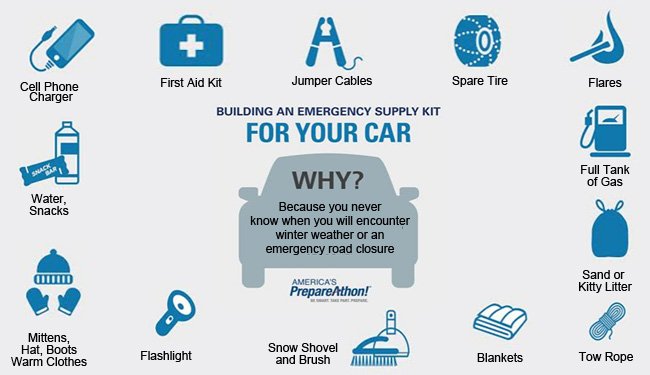
Winter Road Trip Checklist
- Vehicle: Tires (tread/pressure), battery tested, fluids topped, wipers/lights clean, brakes checked
- Warmth: Blankets, hand/foot warmers, extra layers, hat/gloves
- Health: Medications (7+ days), snacks/electrolytes, water bottle
- Mobility: Portable cane/walker, easy-entry aids
- Emergency Kit: Flashlight + batteries, jumper cables, shovel, ice scraper, first aid, phone charger
- Driving: Plan breaks, share driving, check weather apps, AAA roadside number saved
Stay safe and if driving is too stressful or not practical. Consider alternate travel arrangements like an airplane or train.
AJ York & the SeniorPrepHQ team
About The Author