
It’s a quiet Tuesday morning when the alert buzzes on your phone: It’s from the local water company. “‘ Boil water advisory is in effect—a contaminated supply has been detected.” Or worse, a winter storm knocks out your power for days, and your electric pump goes silent. No tap water flows. You’re 75, living alone in your cozy home, and you need to take your daily pills for heart issues and diabetes. Suddenly, you can’t safely mix your powder medications, rinse fresh produce for meals, or even wash your hands properly. Thirst creeps in faster than you expected, headaches start, and that familiar fatigue worsens. A simple utility glitch has turned your safe routine into quiet desperation—running low on safe water can leave you feeling isolated and frightened.
For seniors 55 and older, reliable water storage isn’t an option—it’s vital for maintaining your health and independence. We depend more on consistent hydration to manage medications and chronic conditions, yet reduced strength or mobility makes lugging heavy jugs from the store exhausting or impossible. Emergencies don’t wait for convenient timing.
The good news? Smart, lightweight storage options let you stock a 2-4 week supply without physical strain or overwhelming effort. From convenient bottled cases to easy-pour containers and no-power filtration systems, there are practical choices perfect for apartment dwellers or if you have limited space.
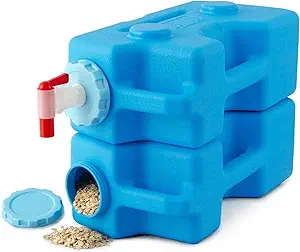
In this guide, we’ll explore senior-friendly picks like ready-to-use bottled water, the Sagan Life AquaBrick 3 Gallon Water Container which is stackable and relatively lightweight 20lbs when full, and gravity-fed water filters like the Big Berkey for long-term purity—no electricity required.
By the end of this guide, you’ll know exactly what to buy and how to store it—so you’re ready long before the next alert sounds. Let’s build your water security today.
How Much Water Do Seniors Really Need ?
Water is the foundation of any preparedness plan, but how much do seniors actually need to store? The standard guideline is straightforward: 1 gallon per person per day for drinking, basic hygiene, and medication needs. For a solid emergency supply, aim for at least 2 weeks— that’s 14 gallons for one person, or 28 gallons for a couple.
Why this amount? In a disruption like a boil advisory, power outage, or a contamination event, you’ll need water for:
- Drinking and staying hydrated (especially important as thirst sensation decreases with age)
- Dissolving or taking medications
- Minimal cooking (e.g., rehydrating foods)
- Basic sanitation (hand washing, sponge baths)
- Pet needs if applicable
Seniors often require slightly more consideration. Many medications increase dehydration risk, and conditions like diabetes or heart issues mean consistent intake is critical. The CDC and Ready.gov recommend starting with the 1-gallon rule, but adding extra for flushing, meds or medical devices brings it closer to 1.5 gallons/day for some.
Quick breakdown:
| Household | 1 Week | 2 Weeks | 4 Weeks |
| 1 Person | 7 gallons | 14 gallons | 28 gallons |
| 2 People | 14 gallons | 28 gallons | 56 gallons |
Don’t forget rotation—stored water is safe indefinitely in clean containers stored away from sunlight/chemicals, but refresh every 6-12 months for best taste. Bottled commercial water lasts even longer.
Start small: Even a 1 week’s supply gives you a huge peace of mind. As we’ll cover next, lightweight options like the Sagan Life AquaBrick container make building your reserve supply easy—no heavy lifting required.
Best Water Storage Options for Limited Mobility
For seniors with limited mobility, water storage must be lightweight, easy to handle, and stackable—avoiding heavy lifting or awkward pouring. Here are some top options to build a 2-4 week supply safely and affordably, with no strain on joints or balance. These are by no means the only options. There are other storage methods and other filters available. All comes down to your budget, your preference, and space limitations.
Bottled Water: The Easiest Entry Point
Start with commercial bottled water—it’s pre-sealed, portable, and requires zero setup. Opt for cases of 16.9oz bottles or 1-gallon jugs, which are light enough to move one at a time (under 9 lbs per gallon).
- Pros: No expiration worries (lasts indefinitely unopened), grab-and-go convenience, bottles are recyclable.
- Cons: Takes up space if you’re storing large amounts; not eco-friendly long-term.
- Storage Tips: Stack cases in a cool, dark closet or under a bed—accessible without bending. Aim for 14 gallons (about 14 – 1-gallon jugs) enough for 2 weeks for 1 person.
- Cost: $10-$20 per case; bulk from warehouse clubs saves more.
This is ideal for beginners—simply rotate into daily use to keep fresh.
Rigid Containers: Sagan Life AquaBrick
For reusable, space-efficient storage, the Sagan Life AquaBrick stands out. This 3.5-gallon container (holds up to 7 gallons when 2 are stacked) is designed for easy transport—lightweight when empty (under 2 lbs) and features handles for one-handed carrying.
- Pros: BPA-free, durable plastic; stackable like bricks for vertical storage; built-in spigot for controlled pouring without tipping.
- Cons: Initial fill requires a faucet; must be cleaned every 6 months.
- Storage Tips: Fill gradually (one at a time) and store on low shelves or wheeled carts for mobility. Two AquaBricks per person provide 7 gallons—enough for a week.
- Cost: Around $30-$40 each; provides long-term savings over bottles.
It’s perfect for limited strength—stack them Lego-style without heavy rearranging.
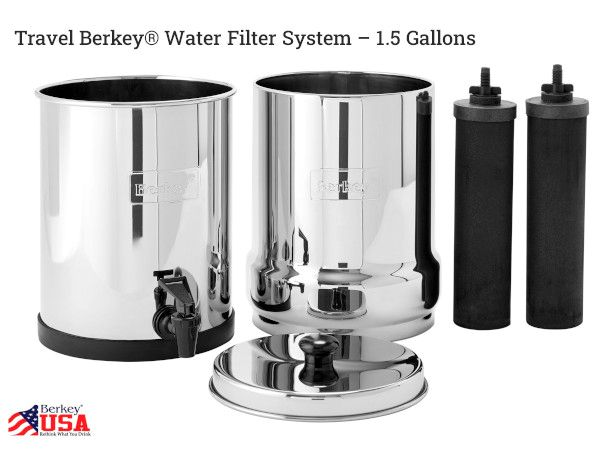
Filtration for Long-Term: Big Berkey System
For ongoing access beyond stored water, the Big Berkey gravity-fed filter is a game-changer. It purifies tap, rain, or lake water without electricity or pumping—ideal for extended outages.
- Pros: Filters up to 6,000 gallons per set; removes bacteria, viruses, chemicals; countertop model fits small spaces.
- Cons: Initial setup (assembly) and slower flow (2-4 gallons/hour).
- Storage Tips: Keep near sink for easy filling; pair with collapsible buckets for source water. Models like Travel Berkey suit solo seniors.
- Cost: $250-350; filters last for years.
It’s a low-effort—pour and wait approach that extends your supply indefinitely.
Comparison Table
| Option | Pros | Cons | Best For | Cost |
|---|---|---|---|---|
| Bottled Water | Ready-to-use, lightweight | Space-hogging | Short-term, beginners | Low initial |
| Sagan AquaBrick | Reusable, easy pour | Needs filling | Stackable storage | Moderate |
| Big Berkey | Long-term filtration | Slower process | Extended emergencies | Higher upfront |
Choose based on your space and needs—mix them for best results. With these, water prep is effortless and effective.a
Storage Tips & Rotation for Seniors
Storing water safely doesn’t have to be complicated or physically demanding—especially for seniors focused on ease and accessibility. The key is choosing spots that are convenient, so you can avoid heavy lifting or hard-to-reach areas. Let’s break it down with practical, low-effort tips.
First, select a cool, dark, accessible location. Ideal spots include under kitchen sinks, hallway closets, or even a spare bedroom shelf at waist height—no bending or climbing ladders. Avoid garages or basements if stairs are involved; temperature swings there can degrade containers or encourage bacterial growth. Aim for 55-70°F to keep water fresh longer. If space is tight in apartments, use stackable options like the Sagan Life AquaBrick—they fit neatly without dominating a room.
For rotation, adopt the FIFO (First In, First Out) method to ensure nothing expires. Label each container or case with the fill/purchase date using a permanent marker or sticker. Every 6-12 months, use the oldest stock first—integrate it into daily routines like cooking or filling pet bowls. Bottled water lasts indefinitely unopened, but refresh opened ones sooner. Set calendar reminders to check and rotate.
Include backups like purification tablets or drops like ( Aquamira or Potable Aqua)—they’re lightweight packets that treat questionable water in a pinch, no boiling needed. Store them with your kit for easy access.
Pro tip: Use wheeled carts or dollies for moving multiple containers effortlessly. This setup keeps everything organized and reachable, reducing strain while ensuring you’re always prepared.
Common Mistakes & Senior Solutions
Even the best water storage plans can falter if you overlook a few pitfalls—especially as seniors, where ease and safety are key. Let’s spotlight three frequent errors and simple, senior-focused fixes to keep your setup reliable without added hassle.
Mistake 1: Opting for heavy 55-gallon drums. These beasts are popular in prepper circles but a nightmare for limited mobility—too bulky to move, fill, or access without strain or help.
Solution: Go for smaller units like 1-7 gallon containers (e.g., Sagan Life AquaBrick or bottled cases). They’re light when empty, easy to handle one at a time, and stack neatly.
Mistake 2: Forgetting rotation. Water sits unused, tastes stale, or worse—grows bacteria if not refreshed.
Solution: Label dates and use FIFO: Cycle oldest first into daily use. Set phone reminders every 6 months—simple as swapping a bottle during coffee time.
Mistake 3: Poor storage location. Basements or garages mean stairs or cold exposure; sunlight/heat degrades quality.
Solution: Choose waist-high spots like kitchen cabinets or closets. Use wheeled carts for effortless moving—roll your supply right where you need it.
Avoiding these keeps your water fresh, accessible, and stress-free—empowering independence in any scenario.
Wrapping It All Up
Water storage doesn’t have to overwhelm you—it’s about smart choices that fit your lifestyle as a senior. Start small with convenient bottled water for immediate needs, then add reliable options like the Reliance Aqua-Tainer for easy pouring and stacking. For long-term sustainability, consider a Big Berkey filter to purify sources without power or effort. These steps build a 2-4 week supply affordably, ensuring you stay hydrated, have the ability to manage medication, and keep up your hygiene during disruptions. No heavy lifting, just peace of mind.
Having enough Water in a Crisis… Priceless
Stay Hydrated !
AJ York
