Why One Winter Chore Can Become a Medical Emergency
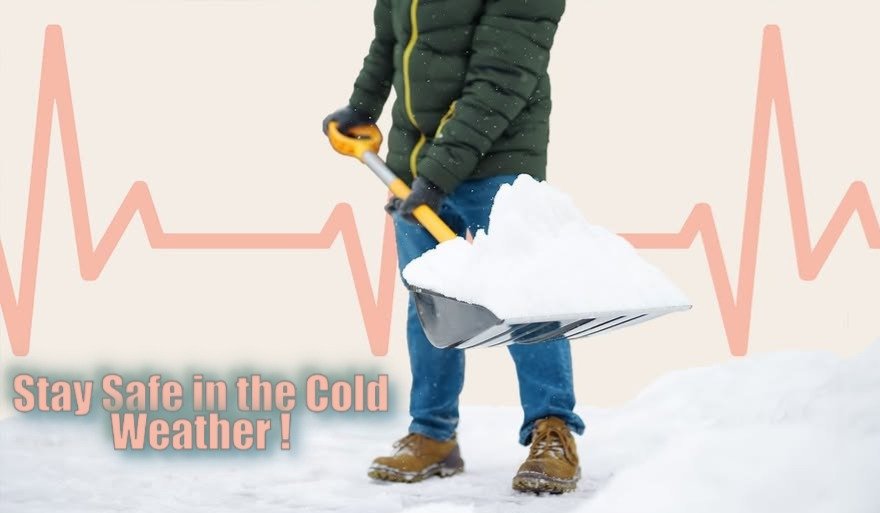
For many of us, shoveling snow feels like just another part of winter life. You wake up, see the driveway covered, grab a shovel, and you get to work.
But for seniors, especially those who value independence and preparedness. Snow shoveling is one of the most dangerous routine activities of the winter season.
Every year, thousands of older Americans are hospitalized after shoveling snow. Many never see it coming. In a true winter emergency, an injury like this doesn’t just cause pain, it can completely take you out of the fight when you need to be capable and mobile.
A major study looking at snow-removal-related medical emergencies treated in the United States between 1990 and 2006 identified about 11,500 shoveling injuries over the 17-year span — cardiovascular events accounted for half of the hospitalizations and 100 percent of the deaths.
I just saw this in the news. This past weekend, as a severe winter storm swept across the Northeast, a community lost a dedicated soul. Roger McGovern, a 60-year-old retired NYPD sergeant, collapsed and died while selflessly clearing snow to ensure that churchgoers could attend Sunday Mass at his church in Floral Park, Long Island
RIP – Mr. McGovern – Now read on, so clearing your driveway doesn’t become your final act.
Let’s break down why this happens, what to watch for, and how smart preppers handle snow safely.
Why Shoveling Snow Is So Dangerous for Seniors
Snow shoveling combines several high-risk factors into one task—cold weather, heavy lifting, awkward movements, and sudden exertion.
1. Sudden Cardiac Stress
Cold temperatures cause blood vessels to constrict. When you add heavy lifting on top of that, your heart is suddenly forced to work much harder.
This is why heart attacks during snow shoveling are so common, even in people who don’t think they have heart problems.
Many of these incidents happen first thing in the morning, when your body is stiff, dehydrated, and not warmed up.
2. Cold Air and Breathing Strain
Breathing cold air can trigger shortness of breath, chest tightness, or even bronchospasms, especially for those with asthma, COPD, or undiagnosed heart conditions.
Cold air can also dull your sense of fatigue, making it easier to overdo it without realizing how stressed your body has become.
3. Slips, Falls, and Serious Injuries
Snow often hides ice underneath. One wrong step can result in:
- Hip fractures
- Torn rotator cuffs
- Herniated discs
- Wrist and shoulder injuries
- Knee injuries like a torn ACL or meniscus
During a winter storm, emergency response times are often delayed. A fall outside, when your alone, can quickly turn into a serious survival situation. Hypothermia and frostbite can quickly become serious in extremely cold temperatures, especially if you are exposed for a prolonged period. The elderly, and those with poor circulation are particularly at risk.
Warning Signs You Should Never Ignore
As a Prepper you are probably used to pushing through discomfort. This is not the time for that mindset.
Stop immediately and seek help if you experience:
- Chest pressure or pain
- Shortness of breath
- Dizziness or nausea
- Pain radiating to the arm, neck, or jaw
- Sudden weakness or confusion
Finishing the driveway is never worth your life.
Why This Matters Even More for Preppers
Preparedness isn’t just about what you have stored in the pantry – It’s about what you’re physically capable of doing when conditions deteriorate.
If you become an injured prepper you may:
- Be unable to manage a power outage, operate backup heat, or safely move around a dark home
- Become dependent on others during supply disruptions, reversing the goal of self-reliance
- Lose the ability to assist a spouse, family member, or nearby neighbor who may also be struggling
- Face hospitalization at the worst possible time, when winter storms, road closures, and overloaded emergency services delay care
In winter emergencies, medical help may be slow, or not reachable at all. Avoiding preventable injury is not caution; it is a core survival skill.
Safer Alternatives to Shoveling Snow
Smart preppers always try to reduce risk whenever possible.
Hire or Barter
- Pay a local snow service if it’s within budget
- Hire neighborhood teens
- Barter skills, food, or supplies
Community connections are a prepper asset.
Use the Right Tools
- Lightweight, ergonomic shovels
- Push-style snow plows instead of lifting
- Ice melt applied before storms to reduce buildup
Consider Mechanical Help
- Snow blowers can reduce exertion and strain, but they still require caution
- Electric models work well if you have backup power
- Never overexert just because the machine is doing some of the work
I have seen a friend sustain a serious hand injury while trying to clear a clogged snow blower chute. It was not a pretty sight believe me. Educate yourself and stay safe.
If You Must Shovel: Do It the Prepper-Smart Way
Sometimes there’s no choice. If you must shovel:
- Warm up like you would before exercise
- Shovel small amounts frequently—don’t wait for heavy buildup
- Push snow instead of lifting whenever possible
- Take frequent breaks
- Dress in layers that allow sweat to escape
- Stay hydrated. Cold weather dehydrates you faster, even when you don’t feel thirsty.
- Stop immediately at the first sign of trouble
Preparedness means knowing when to stop.
Physical Preparedness Matters Also
Maintaining strength and mobility is part of winter readiness.
Simple focus areas:
- Leg strength (reduces fall risk)
- Core stability (protects the back)
- Shoulder mobility (prevents strains and tears)
You don’t need to be a gym rat, just capable enough to move safely when conditions are bad.
Final Thoughts: Smart Preppers Avoid Unnecessary Risk
Snow doesn’t care how tough you are.
It doesn’t care how prepared you think you are.
True preparedness means:
- Choosing safety over pride
- Preserving your health for real emergencies
- Staying alive, mobile, and independent
If you’re over 60, snow shoveling is not a test of toughness. It’s a risk that deserves respect,and smart planning.
See the link below some great info from the AHA
Stay prepared. Stay mobile. Stay alive.
About The Author