
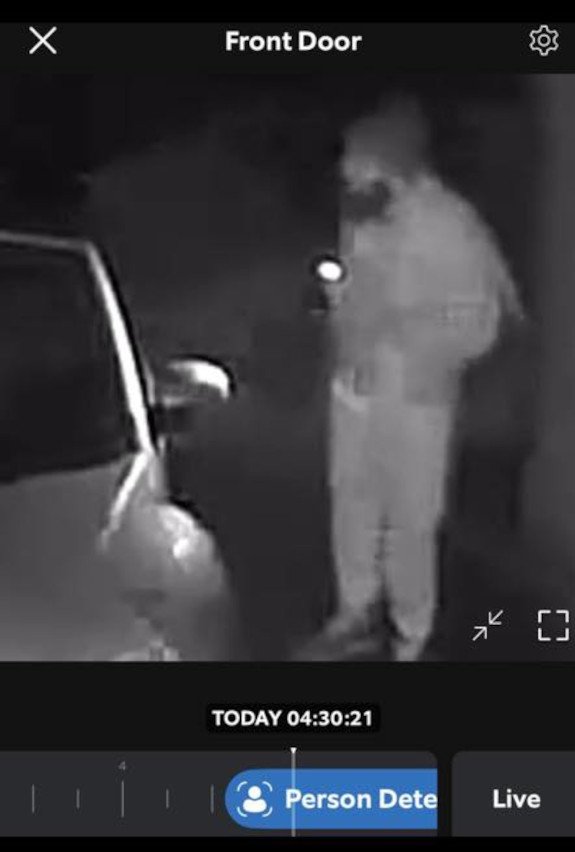
Protect your home with wired alarm systems, security cameras that record, and layered defense strategies.
Security means something different after 60. It’s no longer just about protecting property — it’s about protecting independence, stability, and peace of mind. The truth is simple: as we age, our margin for error gets smaller. Injuries take longer to recover from. Emergencies carry greater consequences. Preparedness at this stage of life isn’t fear — it’s smart risk management designed to keep you safe, capable, and in control of your own home.
And in 2026, real preparedness means thinking beyond food storage and flashlights. It means understanding modern home security for seniors and building a layered security/defense system that works even when technology fails.
Let’s talk about what actually matters.
Layered Home Security for Seniors: The Four-Part Approach
If you remember nothing else from this article, remember this:
Good security is layered.
- Visible deterrence
- Reliable alarm system
- Recorded video evidence
- Defensive capability (last resort only)
Each layer reduces the likelihood you will ever need the next one.
Layer One: Why Wired Alarm Systems Still Matter in 2026
Wireless alarm systems are everywhere.
They’re marketed as:
- Easy
- DIY
- App-based
- “Smart”
But smart does not always mean reliable.
For seniors especially, reliability should outweigh convenience.
The Problem With Wireless-Only Systems
Wireless systems depend on:
- Wi-Fi signal stability
- Router function
- Battery-powered sensors
- Cloud-based servers
If any of those fail, protection can fail.
Wi-Fi systems can also be vulnerable to signal interference and hacking or jamming devices — tools that have become more accessible to low-level criminals in recent years.
Why Wired Alarm Systems Are Still The Gold Standard
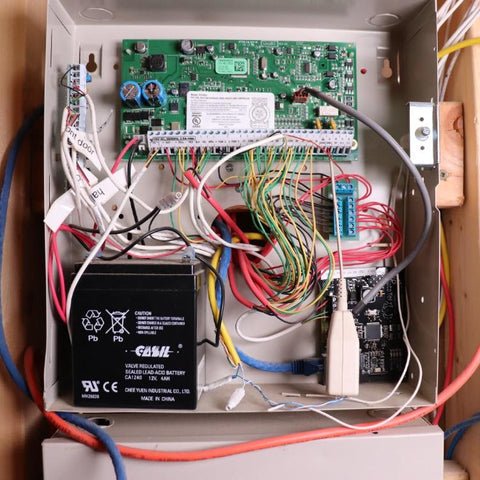
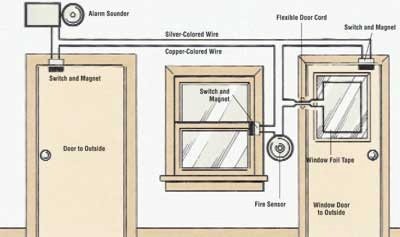
A professionally installed wired home alarm system offers:
- Hardwired door and window sensors
- No individual sensor batteries to replace
- Lower risk of signal interference
- More consistent long-term performance
For seniors who want reliability, a wired system paired with cellular backup monitoring provides strong protection.
When technology fails, physical wiring still works.
Layer Two: Security Cameras That Actually Record — And Why Paying for Storage Matters
Here is where many homeowners — including seniors — make a critical mistake.
They install cameras.
They download the app.
They get motion alerts.
But they do not pay for recording storage.
And when something happens, there is no usable footage.
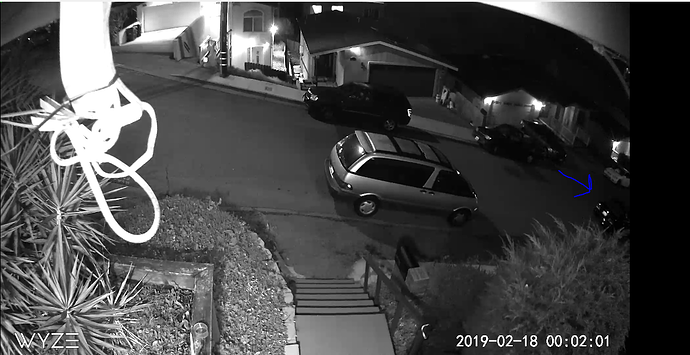
Live Alerts Are Not Evidence
A push notification that says “Motion Detected” is not evidence.
If footage is not:
- Recorded
- Stored
- Preserved
- Downloadable
Then it cannot protect you legally.
In today’s environment, having video evidence can be just as important as preventing crime.
The Nancy Guthrie Example: Why Storage Plans Matter
You have probably seen the widely reported kidnapping case involving Nancy Guthrie in Tuscon AZ, investigators encountered complications because doorbell camera footage was not available.
The recording service had not been active.
Without a paid storage plan, the footage was not retained.
That absence caused delays and complications in reconstructing events.
Regardless of the legal specifics, the lesson is clear:
If your system doesn’t record and store footage, you may not have evidence when you need it most.
And for seniors, evidence protects more than property.
It protects:
- Your legal standing
- Your reputation
- Your estate
- Your spouse
In a self-defense situation — or even a misunderstanding — recorded video can clarify what happened quickly.
Without it, narratives fill the vacuum.
Local DVR vs. Cloud Storage: What Seniors Should Consider
There are two primary storage options.
1. Local DVR (Hard Drive Recording)
Pros
- Not dependent on cloud servers
- Continuous recording options
- You physically control the footage
Cons
- Must ensure backup power
- Equipment must be maintained
2. Cloud-Based Recording (Paid Subscription)
Pros
- Off-site storage
- Easy download and sharing
- Automatic backups
Cons
- Requires subscription
- Dependent on internet connection
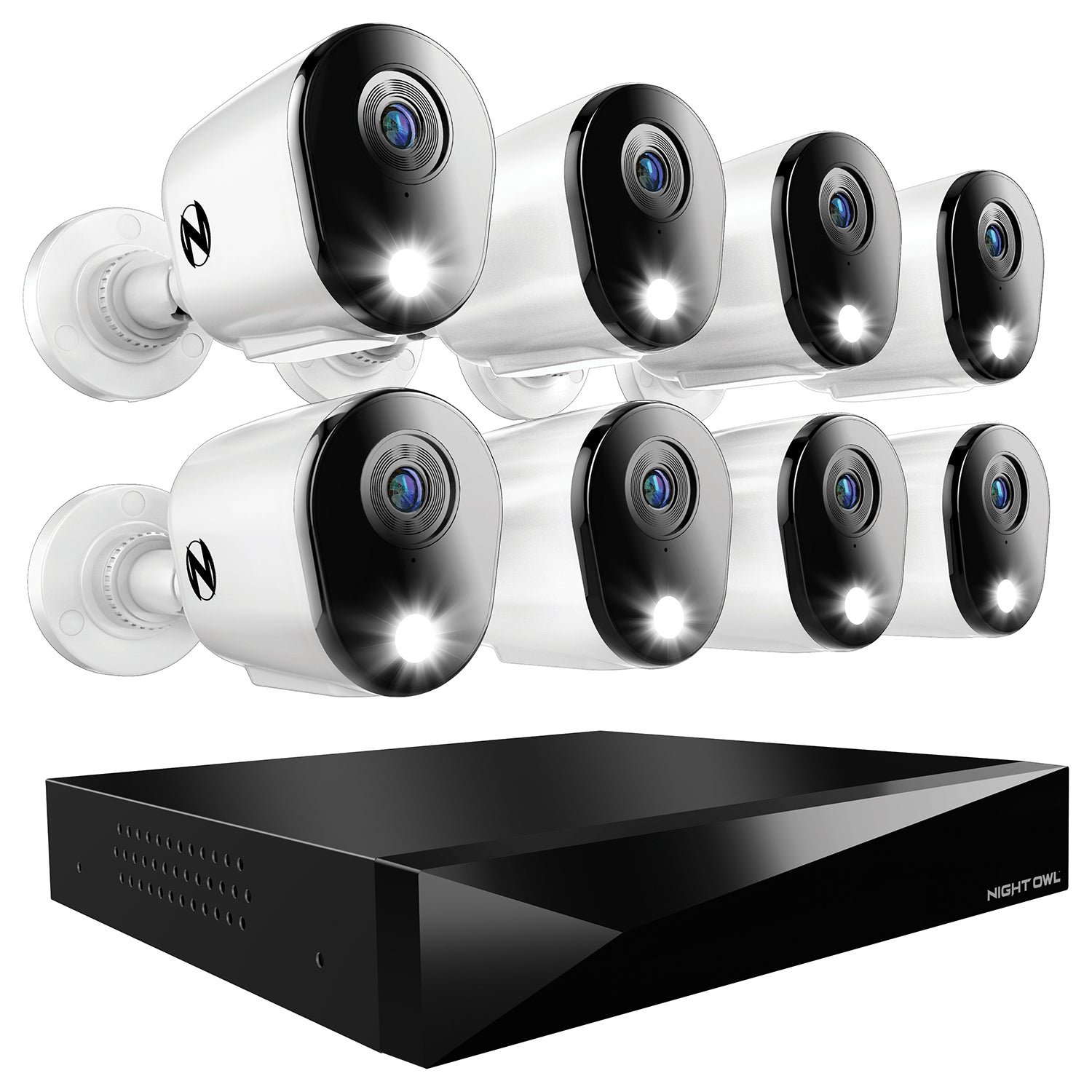
For many seniors, the best approach is hybrid:
Wired cameras feeding into a DVR system plus optional cloud backup.
And yes — that means paying for the service.
Security is not a one-time purchase.
It is an ongoing system.
Layer Three: Visibility and Deterrence
Security is not just about response.
It is about prevention.
Visible cameras and alarm signage reduce risk significantly.
Most property crime is opportunistic.
Criminals look for:
- Dark homes
- No camera presence
- No alarm signage
- Easy entry points
A clearly protected home often gets bypassed.
For seniors who may not be able to physically confront a threat, deterrence is powerful.
Motion lights.
Visible cameras.
Alarm decals.
These are quiet forms of strength.
Make sure:
- Cameras cover driveways and side entrances
- Doorbell cameras record continuously
- Backup batteries are tested
- Alarm monitoring contacts are updated
Layer Four: Firearms as a Last Resort
This is where maturity matters.
A firearm is not your first line of defense.
It is your final line of defense.
If you choose to incorporate a firearm into your senior home defense plan, it should be done thoughtfully and responsibly.
Ask Yourself First
- Am I comfortable owning one?
- Am I willing to train regularly?
- Can I physically operate it safely?
- Can I store it securely?
If the answer to those questions is no, that is okay.
Alarms and cameras alone provide significant protection.
Firearm Options Seniors Often Consider
Revolvers
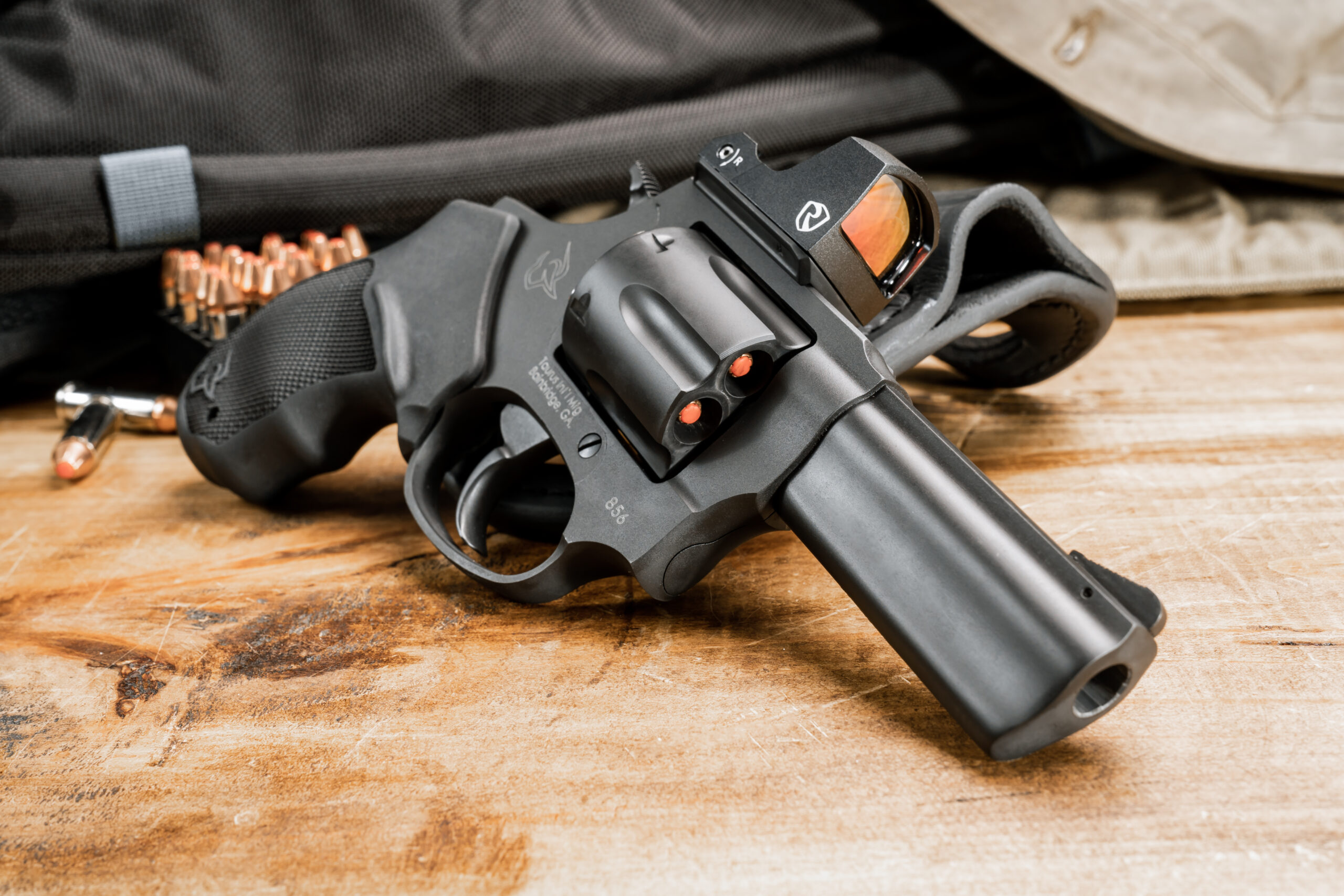
Many seniors prefer revolvers because:
- No slide to rack
- Simple manual operation
- Highly reliable
- Minimal controls
For individuals with reduced grip strength or arthritis, this simplicity matters.
Load. Close cylinder. Press trigger.
But revolvers still require training, safe handling, and understanding recoil.
Semi-Automatics Like the Smith & Wesson Shield
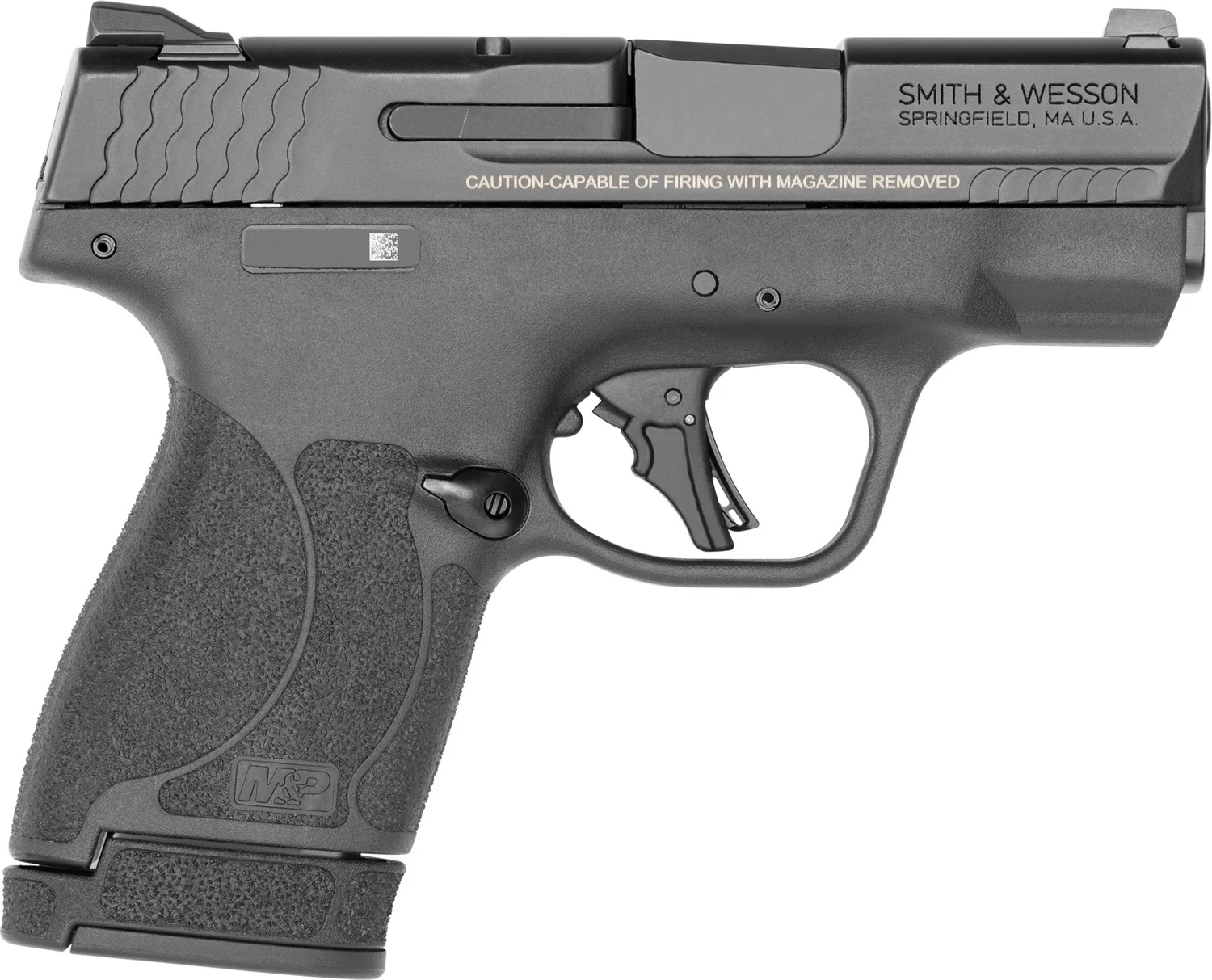
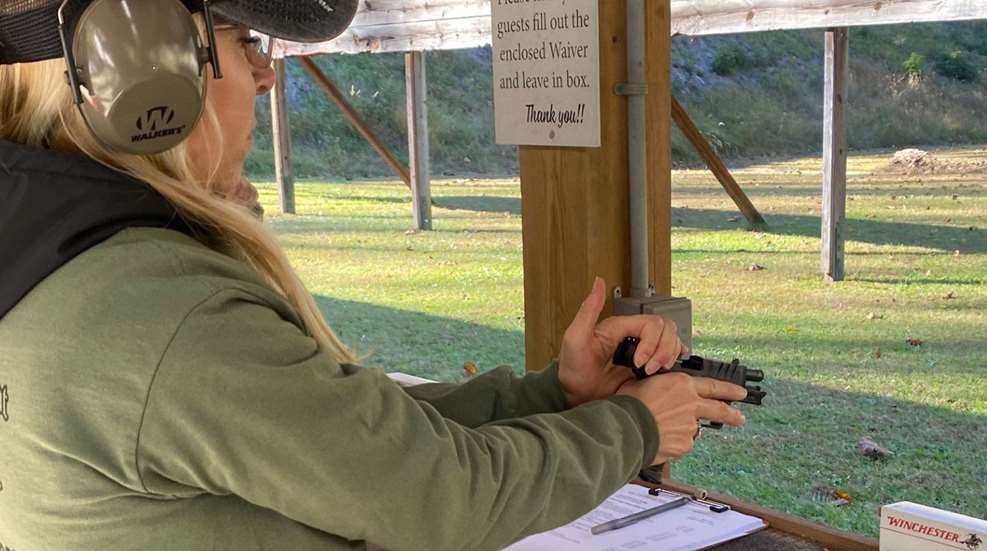
Modern semi-automatic pistols — especially easier-rack models — are designed for:
- Reduced slide tension
- Lighter recoil springs
- Easier manipulation for smaller or weaker hands
The Smith & Wesson Shield line has become popular among older adults for this reason.
But remember:
Owning is not enough.
Training builds:
- Familiarity
- Muscle memory
- Calm under stress
- Safe handling habits
If you are not willing to train, a firearm is not the right tool for you.
And there is no shame in recognizing your limits.
Why Evidence Matters More Than Ever
In today’s legal environment, force is scrutinized heavily.
Even justified self-defense can become complicated without documentation.
Video footage can:
- Confirm timeline
- Confirm entry point
- Confirm actions taken
- Confirm threat behavior
Without it, you rely solely on testimony.
For seniors, clarity is protection.
Recorded evidence protects you long after the event is over.
The Real Goal: Avoiding Escalation
True preparedness after 60 is not about confrontation.
It is about prevention.
The ideal sequence looks like this:
- Visible deterrent discourages entry
- Alarm triggers alert
- Cameras record event
- Law enforcement responds
- Firearm used only if absolutely unavoidable
Most threats retreat when alarms activate.
Most criminals avoid recorded properties.
Most events never escalate.
That is the goal.
Final Thoughts: Preparedness Is Responsibility
Home security for seniors is not about living in fear.
It is about living wisely.
If you are over 60, your priorities are different than they were at 30.
You protect:
- Your spouse
- Your independence
- Your savings
- Your legacy
Wired alarm systems offer reliability.
Security cameras with paid recording plans provide evidence.
Layered defense reduces escalation.
Firearms — if chosen — require training and responsibility.
Your security plan should be strong, reliable, and designed to protect both your safety and your future.
About The Author
