Pros and Cons of Owning a Bug Out Location: Is It Worth the Investment for Seniors?
This is a topic that I think about often. Now that I’m older, in my mid-60s, I’ve come to realize I don’t have a bugout location yet, and I probably never will. If you have the funds and are healthy enough to do the work, or have family to help you, then by all means, a BOL is a nice thing to have. I don’t want the added expense and the extra work. So, I have become a proponent of bugging in. Check out the following post and hopefully it will help you to make up your mind.
As we age, emergency preparedness takes on new importance—whether it’s a power outage, severe weather, or a catastrophic event that causes widespread disruption to society. Many seniors on fixed incomes dream of a bug out location (BOL)—a remote property, cabin, or retreat to escape to in a crisis. But is owning one truly practical and affordable? For most retirees, the answer is often no. While it sounds appealing, the costs can quickly outweigh the benefits, especially when bugging in (staying home) leverages your existing home, supplies, network, and familiarity.
Let’s break down the realities, with a focus on keeping things affordable and realistic for those over 55.
The Pros of a Bug Out Location
A dedicated BOL can offer peace of mind in certain scenarios:
– Escape from Urban Risks: If you live in a densely populated area prone to unrest, blackouts, or evacuation orders, a rural retreat provides distance and self-sufficiency.
– Self-Reliance Potential: With land, you could garden, collect water, or generate power—ideal for long-term disruptions.
– Privacy and Security: Remote spots are harder for others to access, reducing threats from crowds.
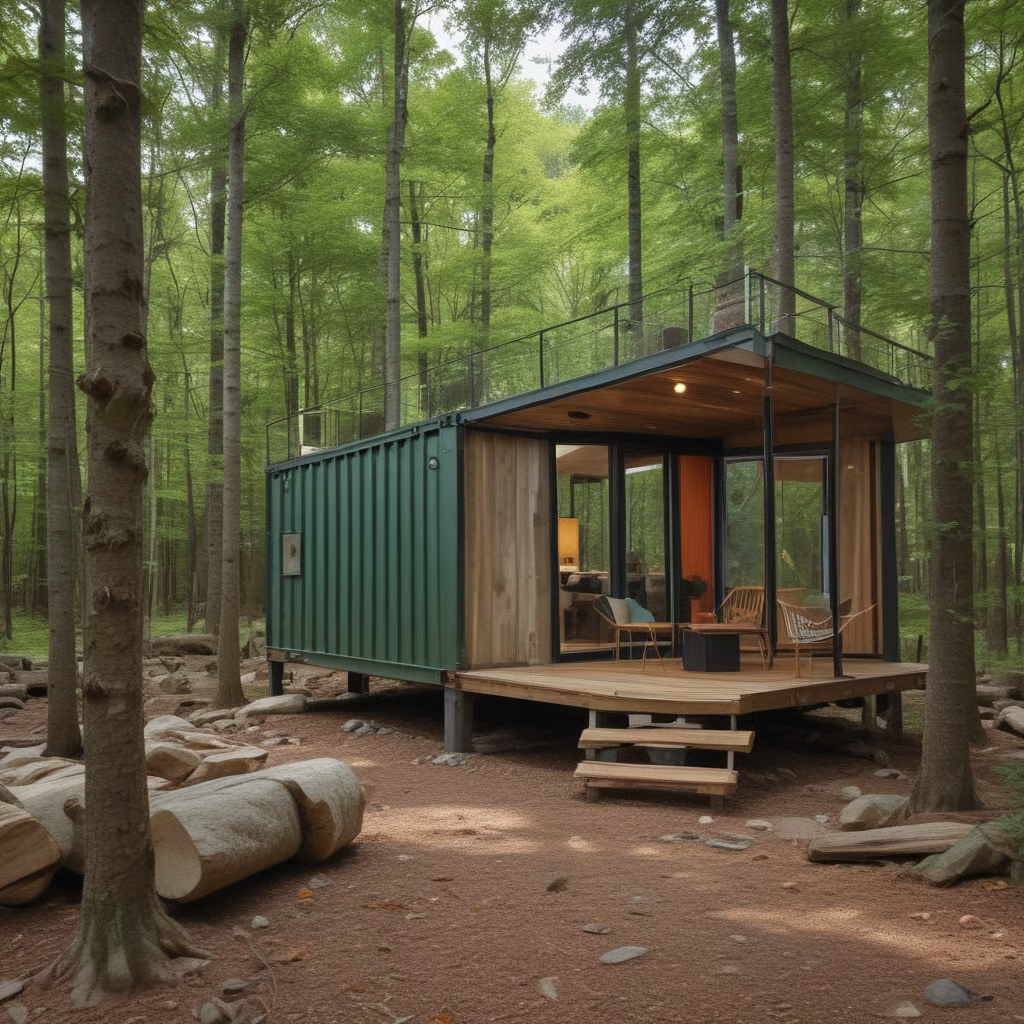
For some, an affordable option like a small plot of raw land ($10,000–$50,000 in rural areas) or a used RV/trailer parked on family property can serve as a low-cost BOL without a full cabin.
The Cons—and Why Costs Add Up Fast
Unfortunately, the drawbacks often make a BOL impractical for seniors on a budget:
– High Upfront and Ongoing Expenses: Land purchase is just the start. Add property taxes (hundreds to thousands yearly), insurance, utilities (if any), and travel costs to maintain it. A basic cabin or trailer? Easily $50,000+ upfront, plus maintenance like repairs, pest control, and security.
– Maintenance Burden: Remote properties require regular visits for upkeep—mowing, winterizing, or fixing issues. For seniors with mobility limitations, this can be physically demanding or require hiring help (more money).
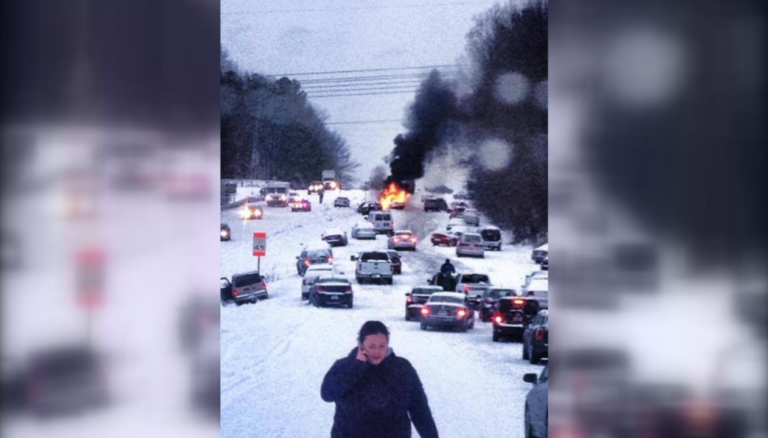
– Inaccessibility in a Crisis: Roads could be blocked, fuel scarce, or health issues prevent travel. Many preppers note that bugging out is chaotic and risky, especially for older adults.
– Underutilized Investment: If you rarely visit, it’s money sitting idle—better used for home improvements or stockpiles.
For retirees on fixed incomes, these costs can strain Social Security or pensions, leaving less for daily needs or medical expenses.
Why Bugging In Is Often Better for Seniors
If you can’t comfortably afford land and a bug out trailer/setup, bugging in is usually the smarter, safer choice. Here’s why:
– You Already Own It: No extra taxes, mortgages, or travel. Fortify your current home affordably—add locks, generators, or solar lights for under $1,000.
– Existing Supplies and Facilities: Stock your pantry, bathroom, and medicine cabinet gradually (sales and generics keep it cheap). Your home likely has running water, heat, and comfortable bedding—luxuries hard to replicate remotely.
– Support Network: Neighbors, family, or community resources are nearby. In a crisis, isolation at a BOL could mean no help if you fall ill or need assistance.
– Familiarity Reduces Stress: You know your home’s layout, escape routes, and quirks—crucial for limited mobility.
Experts and senior-focused preparedness guides emphasize evaluating your health, location, and finances first. Bugging in works for most short- and medium-term events (storms, outages), which are far more common than total societal collapse.
Affordable Alternatives If You Still Want a BOL
If a full property is out of reach:
– Partner with family for shared land access.
– Use public lands/campgrounds as temporary spots (with a stocked RV).
– Build a strong home setup and a “get home” plan instead.
Ultimately, the best investment? Stockpiling affordable essentials at home—water, non-perishable food, medications, and having a solid plan.
Preparedness brings peace of mind without breaking the bank. What’s your plan—bug in or out?
Share in the comments!
About The Author