
Night Vision Challenges for Older Drivers: Safe Night Driving Tips for 55+ Seniors
As we age, night vision declines, increasing the risk of driving after dark for seniors. Discover common vision changes, warning signs, and practical tips for safe night driving.
HOME
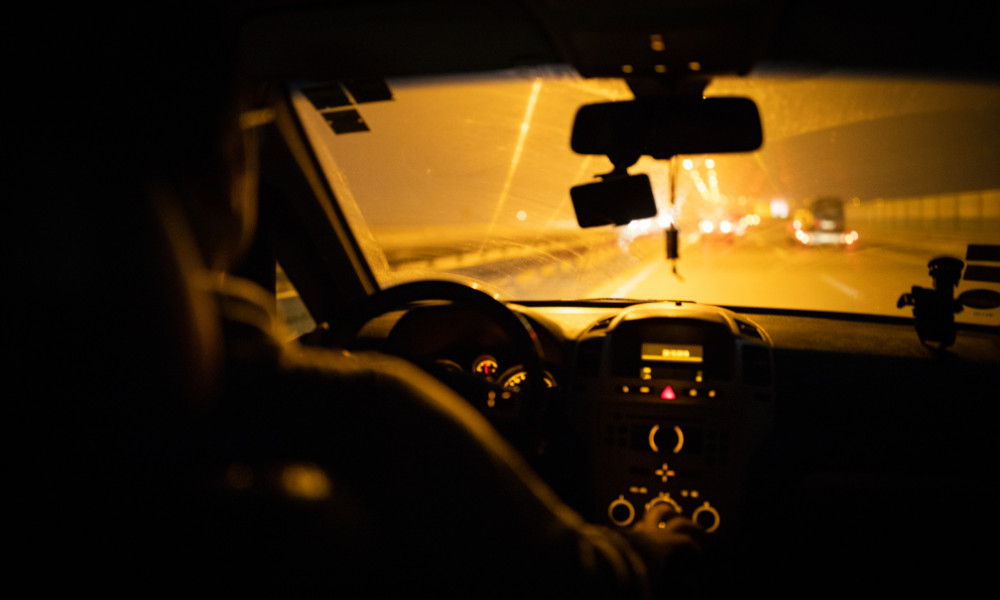
Lately, I've been struggling more and more with night driving—the blinding glare from those ultra-bright LED headlights feels like a constant assault, especially when drivers forget (or ignore) the basic courtesy of dimming their high beams on approach. It's not just me; this is a growing frustration for many older drivers, as modern headlights amplify natural age-related changes like slower glare recovery and reduced contrast sensitivity.
I recently had a thorough eye exam to rule out issues like cataracts and get my prescription updated—that's always the crucial first step. Now, I'm on the hunt for better driving glasses and considering supplements to help preserve what night vision I still have left
If you're facing similar challenges after dark, you're not alone—and there are practical ways to adapt and stay safer on the road. Let's dive into the common causes and some proven tips that can make a real difference.
Why Night Driving Gets Harder with Age
Age-related vision changes start as early as our 40s and accelerate after 60. Key issues include:
Reduced pupil size: Less light enters the eye, making dark conditions feel even dimmer.
Slower dark adaptation: It takes longer to adjust from bright headlights to darkness.
Increased sensitivity to glare: Oncoming lights create halos or starbursts.
Lower contrast sensitivity: Harder to distinguish objects from the background, like pedestrians or lane markings.
Higher risk of eye conditions: Cataracts, glaucoma, or macular degeneration can worsen night vision.
The statistics are sobering: Older drivers (65+) have a 2-4 times higher risk of fatal crashes at night compared to daytime. They rank second only to young drivers under 25 in nighttime fatalities per mile driven. Even without major eye diseases, these natural changes impair performance—studies show older adults may detect pedestrians 75% less effectively at night due to glare and low light.
Warning Signs It's Time to Adapt
Pay attention if you notice:
Frequent squinting or straining to see road signs.
Blinding glare from headlights that takes longer to recover from.
Difficulty judging distances or spotting hazards.
Anxiety or avoidance of night driving altogether.
If these sound familiar, it's smart to consult an eye doctor for a comprehensive exam, including tests for contrast sensitivity and glare under low-light conditions.
Practical Tips for Safer Night Driving
The good news? Simple strategies can make a big difference. Here are proven tips to stay safe:
Keep Everything Clean A dirty windshield amplifies glare and scatters light. Clean both the inside and outside regularly—use a microfiber cloth and glass cleaner to remove film buildup. Don't forget headlights, taillights, and mirrors.
Preserve Your Night Vision Avoid staring directly at oncoming headlights. Instead, look toward the right side of the road (or the white line) to maintain adaptation to darkness. Use your vehicle's night mode on the rearview mirror to reduce rear glare.
Get the Right Eyewear Ensure your prescription is up-to-date, and consider anti-reflective (AR) coatings—they dramatically cut down internal reflections and glare from lights.
Regarding yellow-tinted "night driving" glasses: Many people try them hoping to reduce glare, but research (including studies from Harvard and Mass Eye and Ear) shows they don't help—and may even worsen visibility by reducing overall light intake. In my experience, popular brands like Battle Vision felt too dark, blocking too much light. A cheaper pair with lighter, changeable yellow lenses worked better for me personally, but results vary. Always opt for shatterproof (polycarbonate) lenses for safety.
Drive Smarter
Limit night driving when possible—plan errands for daylight.
Choose well-lit, familiar routes and avoid high-speed highways.
Increase following distance and reduce speed for more reaction time.
Dim your dashboard lights to minimize internal glare.
Consider Nutritional Support Some research suggests supplements with lutein and zeaxanthin (carotenoids found in leafy greens) may improve contrast sensitivity, glare recovery, and low-light vision in older adults. Small clinical trials show benefits like faster glare recovery and better night driving performance after 6 months. Products like Purity Products' NightSight combine these with black currant extract, and anecdotal reports are positive, though I haven't tried any of these yet—I'm planning to soon. Always talk to your doctor before starting supplements, as evidence is promising but not universal.
When to Hang Up the Keys at Night
If challenges persist despite these tips, it might be time to limit or stop night driving. Many seniors self-regulate successfully, maintaining independence during the day. Alternatives like rideshares, public transit, or family help can keep you mobile safely.
Staying proactive about your vision protects not just you, but everyone on the road. Schedule that eye exam, try these tips, and drive confidently—your safety is worth it!
Have your own night driving tips or experiences? Share in the comments below!
subscribe